
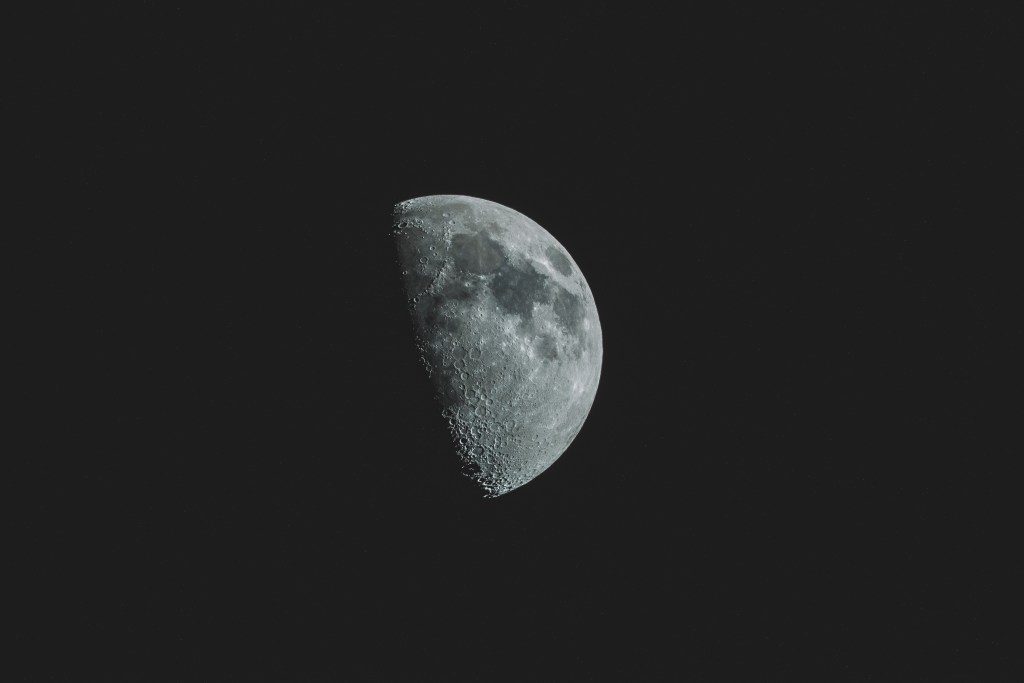
India’s Chandrayaan-3 mission, which successfully landed near the moon’s south pole, has provided new evidence supporting the theory that the moon was once enveloped by a massive ocean of magma.
The mission’s Pragyan rover, tasked with analyzing lunar soil, discovered that the moon’s surface composition in this region is strikingly similar to that of samples collected during previous lunar missions. This reinforces the idea that the moon began as a molten body billions of years ago.
The rover’s findings are particularly significant because they offer the first in-depth analysis of lunar soil from the moon’s polar regions, a previously unexplored area.
These results strengthen the hypothesis that, as the molten moon cooled, various minerals crystallized—lighter ones forming the lunar crust and heavier ones sinking into the mantle.
The Chandrayaan-3 mission underscores the importance of exploring different lunar regions to gain a comprehensive understanding of the moon’s formation and its relationship to the development of Earth and other rocky planets.
This mission marks a significant milestone in lunar exploration, offering valuable insights that contribute to our broader understanding of planetary evolution.
As more missions are planned to explore the moon’s diverse regions, the data gathered will continue to enrich our knowledge of the moon’s complex history.


