
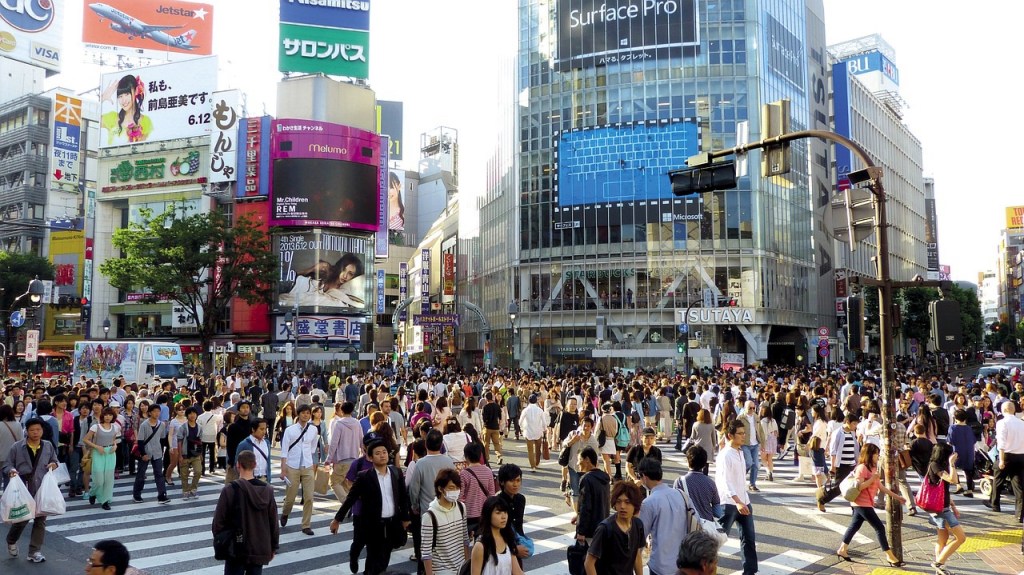
In the summer of 2024, Tokyo, Japan, experienced a record-breaking heatwave, with temperatures nearing 40 degrees Celsius, highlighting the escalating impact of climate change.
This extreme heat, driven by increasingly erratic global weather patterns, led to the tragic deaths of 123 people due to heatstroke.
Vulnerable populations, particularly the elderly, were hit hardest, with the heatwave resulting in a significant number of hospitalizations.
Japanese authorities responded by issuing heat alerts, urging citizens to stay hydrated, remain indoors if possible, and use air conditioning to cope with the severe temperatures.
Despite these precautions, the intensity and frequency of such heatwaves—exacerbated by climate change—have underscored the urgent need for more robust public health measures and climate adaptation strategies.
This heatwave serves as a stark reminder of the serious and growing consequences of climate change, not only for Japan but for the entire world.
It emphasizes the urgent need for increased preparedness, stronger climate policies, and global efforts to mitigate the effects of a warming planet.


